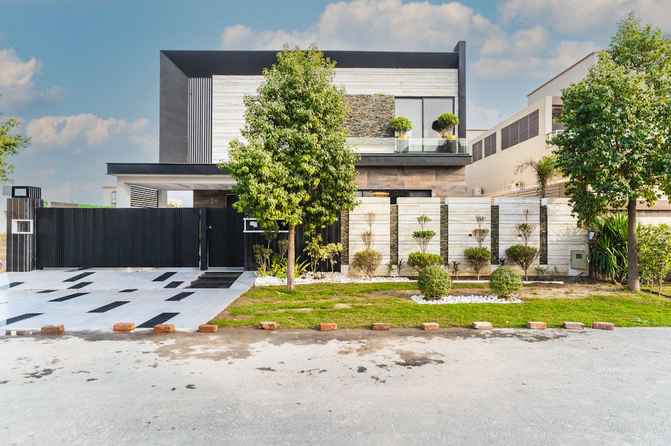
Energy efficiency standards are rising across residential construction. Achieving a 7-star energy rating is no longer optional in many regions. It represents a high benchmark for thermal performance, insulation, glazing, and airtightness. While the goal supports sustainability and long-term savings, it introduces complex design decisions for builders. Meeting 7-star standards is not simply about adding more insulation. It requires careful planning from the earliest stages of design. Builders must balance aesthetics, functionality, cost, and compliance. Behind every high-performing home lies a series of trade-offs that are not always visible to buyers. For more information, click here.
Balanced Orientation and Streetscape Appeal
One of the most significant trade-offs involves orientation. To reach 7-star performance, homes often need to maximize solar gain in winter and minimize heat gain in summer. This usually means positioning living areas toward the north in the southern hemisphere. However, suburban developments often prioritize consistent streetscape design. Facade symmetry and garage placement can conflict with ideal solar orientation. Builders must decide whether to prioritize visual uniformity or thermal efficiency. Sometimes compromises are necessary. Window sizes may be adjusted. Room layouts may shift. These changes affect how the home looks from the street. Achieving both energy performance and curb appeal requires thoughtful integration.
Window Design Versus Thermal Performance
Large windows create bright, open interiors. They enhance connection to outdoor spaces. Buyers often associate expansive glazing with modern design. Yet windows are also one of the weakest points in a building envelope. To comply with 7-star standards, builders may need to reduce window area or install higher-performance glazing. Double or triple glazing increases cost and structural complexity. Thicker frames can alter visual proportions. Shading devices become essential. Eaves, screens, and external blinds help control heat gain. These elements change the exterior appearance. Builders must balance visual expectations with performance requirements. The trade-off is subtle but significant. A design that prioritizes transparency may struggle to meet energy targets without additional investment.
Client Expectations and Education
Perhaps the most complex trade-off involves communication. Many buyers focus on visible features such as kitchen finishes or façade details. Energy performance improvements are less tangible. Builders must explain why certain design decisions were made. Reduced window size or altered room placement may be necessary for compliance. Clear communication helps ensure client satisfaction. Education becomes part of the process. Buyers need to understand long-term savings and comfort benefits. When expectations align with performance goals, trade-offs feel purposeful rather than restrictive. Without proper explanation, energy-driven design choices can appear limiting.

Open-Plan Living and Zoning Challenges
Open-plan living remains popular in suburban homes. Large interconnected spaces support modern lifestyles. However, expansive layouts can complicate thermal zoning. Heating and cooling a wide open area requires more energy. Achieving consistent temperature control becomes difficult. 7-star standards encourage compartmentalization to improve efficiency. Builders may need to introduce subtle separations between living zones. Sliding doors or partial walls can support thermal management. These additions influence how occupants experience space. The challenge lies in preserving a sense of openness while enhancing energy performance. Small adjustments can shift how a home feels.
Material Selection and Construction Costs
Material choices significantly affect energy performance. Higher insulation levels, advanced framing techniques, and airtight membranes all contribute to compliance. These upgrades increase material and labor costs. Builders must weigh these costs against market expectations. Buyers may not immediately recognize the value of improved insulation hidden behind walls. Pricing pressure can influence design decisions. Some materials offer both structural and thermal benefits. Others require additional layers.
Mechanical Systems and Space Allocation
High-performance homes often require smaller heating and cooling systems. Improved insulation reduces overall demand. While this is positive for efficiency, it affects system selection and placement. Builders must allocate space for ventilation systems that support airtight construction. Mechanical ventilation with heat recovery may be necessary. These systems require ductwork and dedicated areas within the design. Space once reserved for storage may be repurposed for equipment. Ceiling cavities must accommodate additional services. The internal layout adapts to technical needs. These adjustments are not always visible, yet they influence floor plan efficiency.
Meeting 7-star energy standards reshapes residential design in subtle but meaningful ways. Builders navigate orientation challenges, glazing adjustments, layout modifications, material costs, and mechanical integration. Each decision involves compromise. The process requires collaboration between architects, engineers, and clients. Performance goals must align with aesthetic preferences and financial realities. While trade-offs are inevitable, they do not diminish design quality. Instead, they redefine it. Modern homes must balance beauty with responsibility.