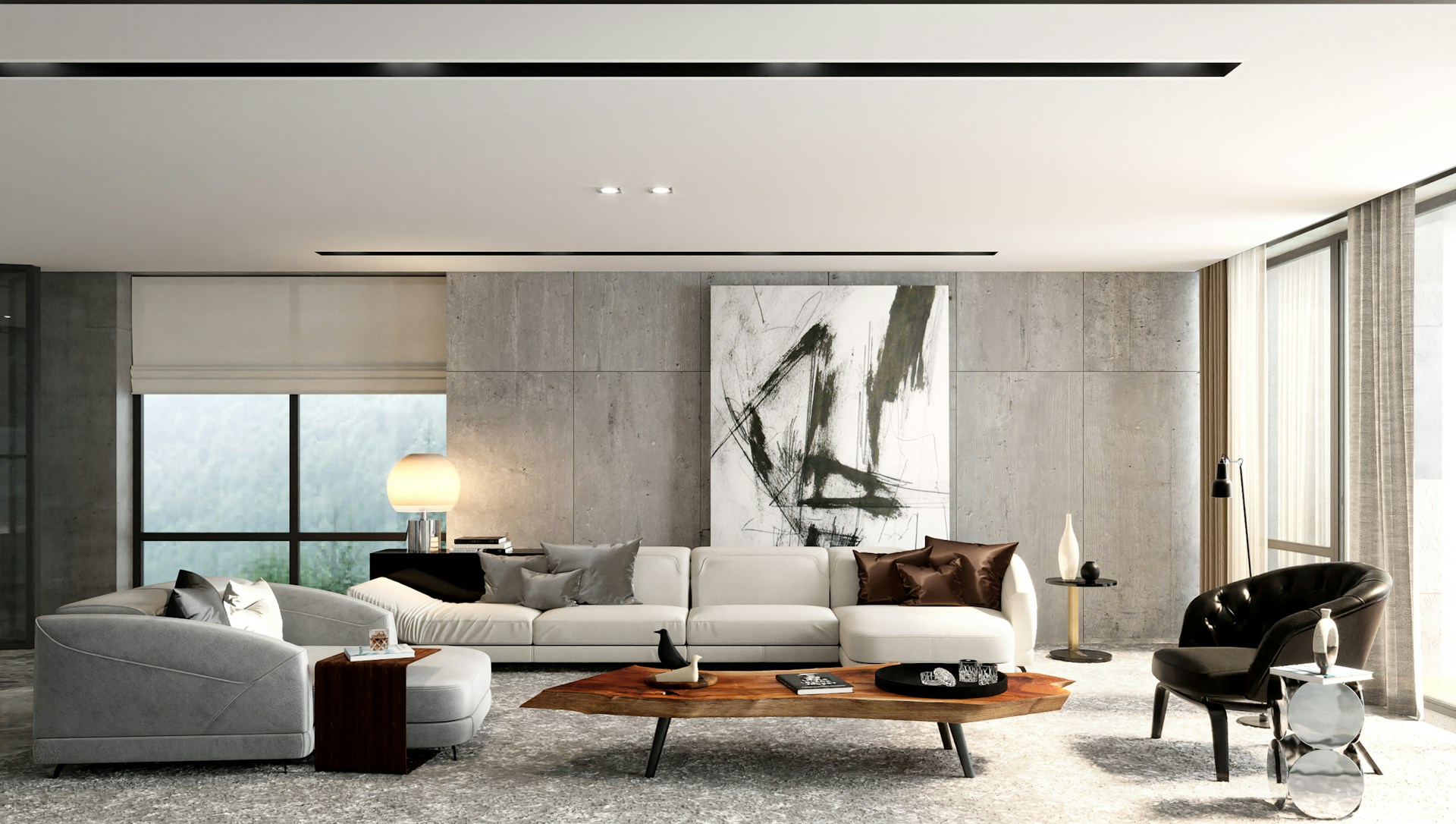
How Interior Focal Points Influence the Character of a Room
Every room naturally draws attention to certain features, and these focal points often shape the overall character of the space. A fireplace, a large window, an architectural detail, or a carefully positioned piece of furniture can guide the eye while influencing how the room is perceived and used. HAUSBAUHELDEN discusses how the right building materials support healthy indoor climate by regulating humidity, minimizing pollutants, and improving thermal and acoustic comfort. Well-placed focal points can improve the sense of proportion, establish a clear purpose for a room, and strengthen its connection with surrounding spaces. Exploring their role reveals why these visual anchors are an important element in creating interiors that feel both inviting and cohesive.
How Focal Points Create Visual Organization
A room without a clear focal point can sometimes feel visually scattered because attention moves between several competing elements. A strong focal point establishes a natural center of interest that helps organize the surrounding space. Furniture, lighting, and decorative features often relate to this central element, creating a more balanced arrangement. This visual hierarchy makes the room easier to interpret, giving occupants a stronger sense of order without requiring every part of the space to receive equal attention.
The Relationship Between Architecture and Focal Points
Many focal points originate from the architectural design of a room rather than from its furnishings. Fireplaces, large windows, exposed beams, staircases, and built-in shelving naturally attract attention because of their size, position, or distinctive form. These permanent features often influence the layout of the room, encouraging furniture and circulation to respond to their location. As a result, architectural focal points become integral to the room’s character and continue to shape the space even as furnishings change over time.

How Natural Light Strengthens Visual Interest
Natural light can enhance a focal point by emphasizing certain parts of a room at different times of the day. A large window may highlight a landscape, while sunlight falling across textured materials or architectural details can create changing patterns of light and shadow. These effects add visual depth without introducing new objects into the space. Because daylight changes throughout the day and across the seasons, the character of a focal point can also evolve, making the room feel dynamic while maintaining its overall sense of balance.
Why Furniture Arrangement Supports Focal Points
The placement of furniture often reflects the location of a room’s primary focal point. Seating may face a fireplace, windows, or a central feature, while circulation routes are commonly arranged to preserve important sightlines. This relationship helps establish a logical flow within the room because furniture supports rather than competes with the main visual element. Even in multifunctional spaces, a well-positioned focal point can bring different areas together by providing a shared visual reference throughout the room.
Interior focal points influence the character of a room by creating visual organization, guiding furniture placement, highlighting architectural features, and shaping the way people experience the space. Whether formed by natural light, structural elements, or carefully positioned design features, they help establish a clear sense of identity within an interior. Rather than acting as isolated decorative details, focal points connect the various parts of a room into a cohesive whole. Their presence demonstrates how thoughtful visual emphasis can make an interior feel more balanced, memorable, and comfortable.…