Designing a Net-Zero Home: Steps to Achieve Complete Energy Independence
Designing a net-zero home is an exciting and ambitious endeavor that combines cutting-edge technology with sustainable living practices. A net-zero home produces as much energy as it consumes over the course of a year, leading to complete energy independence and a significantly reduced carbon footprint. If you’re considering building or retrofitting a home to achieve net-zero status, here’s a friendly guide to help you navigate the process and reach your goal. For more information, visit https://www.hausbau-forum.de/ratgeber/hausbau-magazin.48/nachhaltigkeit-beim-hausbau.838/.
What Is a Net-Zero Home?
A net-zero home is one that generates as much energy as it uses on an annual basis. This is achieved through a combination of energy-efficient design, renewable energy sources, and smart technologies. The key to achieving net-zero status is balancing the home’s energy consumption with its energy production.
Why Aim for Net-Zero?
Choosing to design a net-zero home has numerous benefits. It reduces your reliance on fossil fuels, lowers your utility bills, and minimizes your environmental impact. Additionally, net-zero homes often incorporate advanced technologies and sustainable materials that enhance comfort and livability.

Steps to Designing a Net-Zero Home
1. Plan With Energy Efficiency in Mind
Start by focusing on energy efficiency, which is the foundation of a net-zero home. Work with a knowledgeable architect or builder who understands passive design principles. Key aspects to consider include:
- Insulation: Invest in high-quality insulation to reduce heat loss and gain. This keeps your home comfortable and reduces the need for heating and cooling.
- Windows and Doors: Choose energy-efficient windows and doors with low U-values to minimize heat transfer. Triple glazing and high-performance frames can further improve efficiency.
- Air Sealing: Ensure that your home is well-sealed to prevent drafts and air leaks. Proper sealing enhances energy efficiency and indoor comfort.
2. Incorporate Renewable Energy Systems
To achieve net-zero status, your home must generate its own energy. Incorporate renewable energy systems such as:
- Solar Panels: Install photovoltaic (PV) panels on your roof to harness solar energy. Solar panels are a popular choice for generating electricity and can be scaled to meet your energy needs.
- Wind Turbines: If your location is suitable, consider installing small wind turbines to generate additional power.
- Geothermal Heating and Cooling: Geothermal systems use the Earth’s natural heat to regulate indoor temperatures efficiently. This can be an effective way to reduce reliance on traditional heating and cooling systems.
3. Implement Smart Home Technology
Smart home technology can optimize energy use and improve efficiency. Consider incorporating:
- Smart Thermostats: These devices learn your heating and cooling preferences and adjust settings to minimize energy use.
- Energy Monitoring Systems: Track your home’s energy consumption and production to identify opportunities for improvement and ensure that you’re on track to achieve net-zero status.
- Automated Lighting: Use motion sensors and timers to ensure that lights are only on when needed.

4. Choose Sustainable Building Materials
The materials you select for your home can impact its energy performance and environmental footprint. Opt for:
- Sustainable Materials: Choose materials that are renewable, recycled, or have a low environmental impact. For example, bamboo flooring or recycled steel can be excellent choices.
- Low-VOC Paints: Use paints and finishes that are low in volatile organic compounds (VOCs) to improve indoor air quality.
5. Design for Water Efficiency
Water conservation is an important aspect of sustainable living. Implement features such as:
- Low-Flow Fixtures: Install low-flow faucets, showerheads, and toilets to reduce water usage.
- Rainwater Harvesting: Collect and reuse rainwater for irrigation or non-potable uses to further conserve resources.
In Conclusion
Desgning a net-zero home is a rewarding journey that involves thoughtful planning, innovative technology, and a commitment to sustainability. By focusing on energy efficiency, incorporating renewable energy systems, and selecting sustainable materials, you can create a home that achieves complete energy independence and contributes to a greener future. With the right approach, your net-zero home will not only provide comfort and savings but also serve as a model for sustainable living.…


 One of the best ways to make your home look luxurious is by doing some de-cluttering. When a space is cluttered, it feels cramped and uncomfortable. This isn’t the vibe you want in your luxury home. So take some time to get rid of any unnecessary items and give each room a fresh start. You can make money from selling old belongings, which you can then use to shop for new ones.
 You can make your home look luxurious by purchasing some lampshades. Lampshades are an easy way to decorate a room because they’re functional and stylish at the same time. A well-made shade will cast flattering light all over the space while adding color or pattern to it too. Give each of your rooms a new look by putting a few new lampshades in them.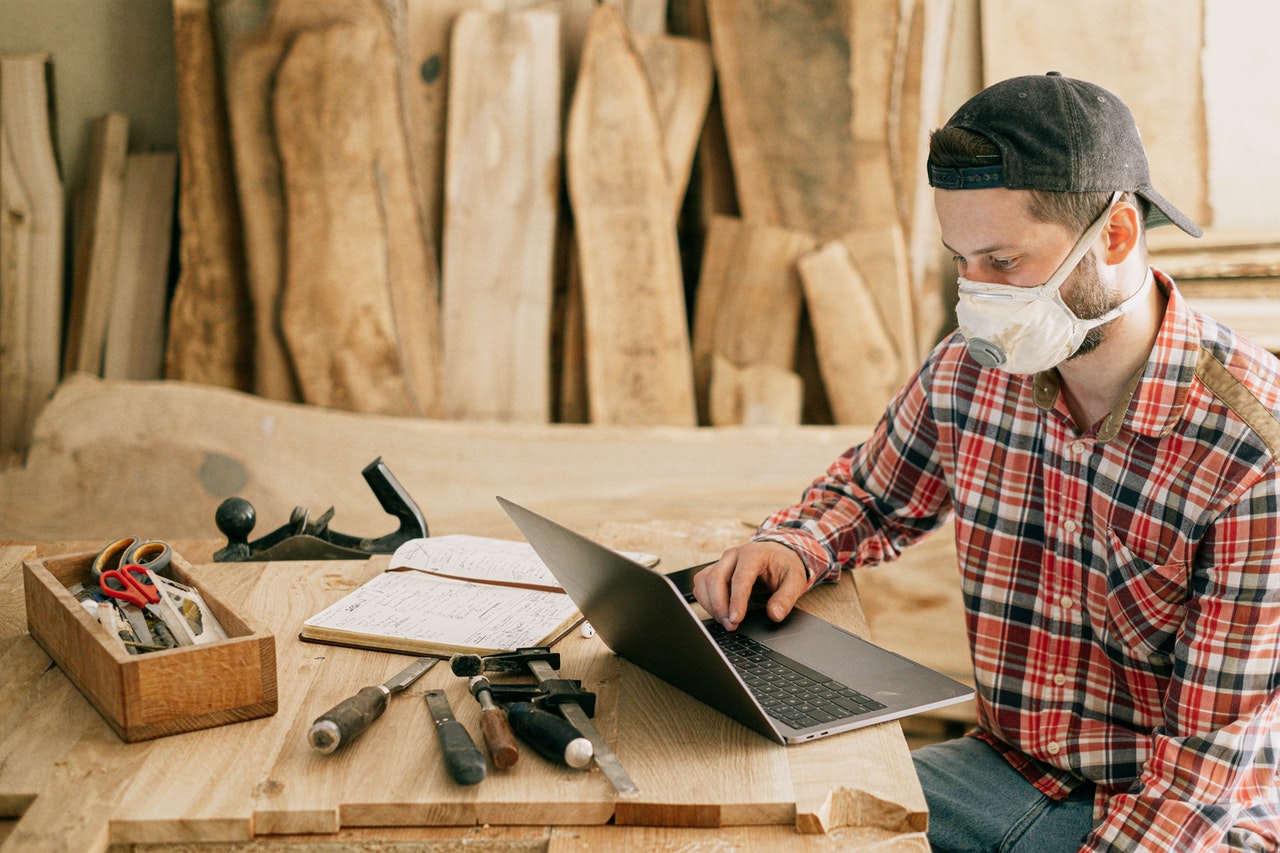
 A circular saw is an essential tool for making straight cuts in lumber. You can also make curves and other cuts, but the bandsaw is often a better choice for making these types of cuts. When using a circular saw, I recommend wearing safety glasses and hearing protection to protect your eyesight and ears while operating this tool. Also, be sure to read all of the manufacturer’s instructions on safely using it so you avoid any potential injuries.
 A tape measure is a must-have for any woodshop. And you’ll need at least three: one that stays in your pocket and can handle general measurements, another to keep handy on the workbench, and a third to put away safely with project plans. Always buy suitable quality measures – they will last longer than cheap ones. The list below of 4 essential tools for your home workshop will help you get more out of the space and skills.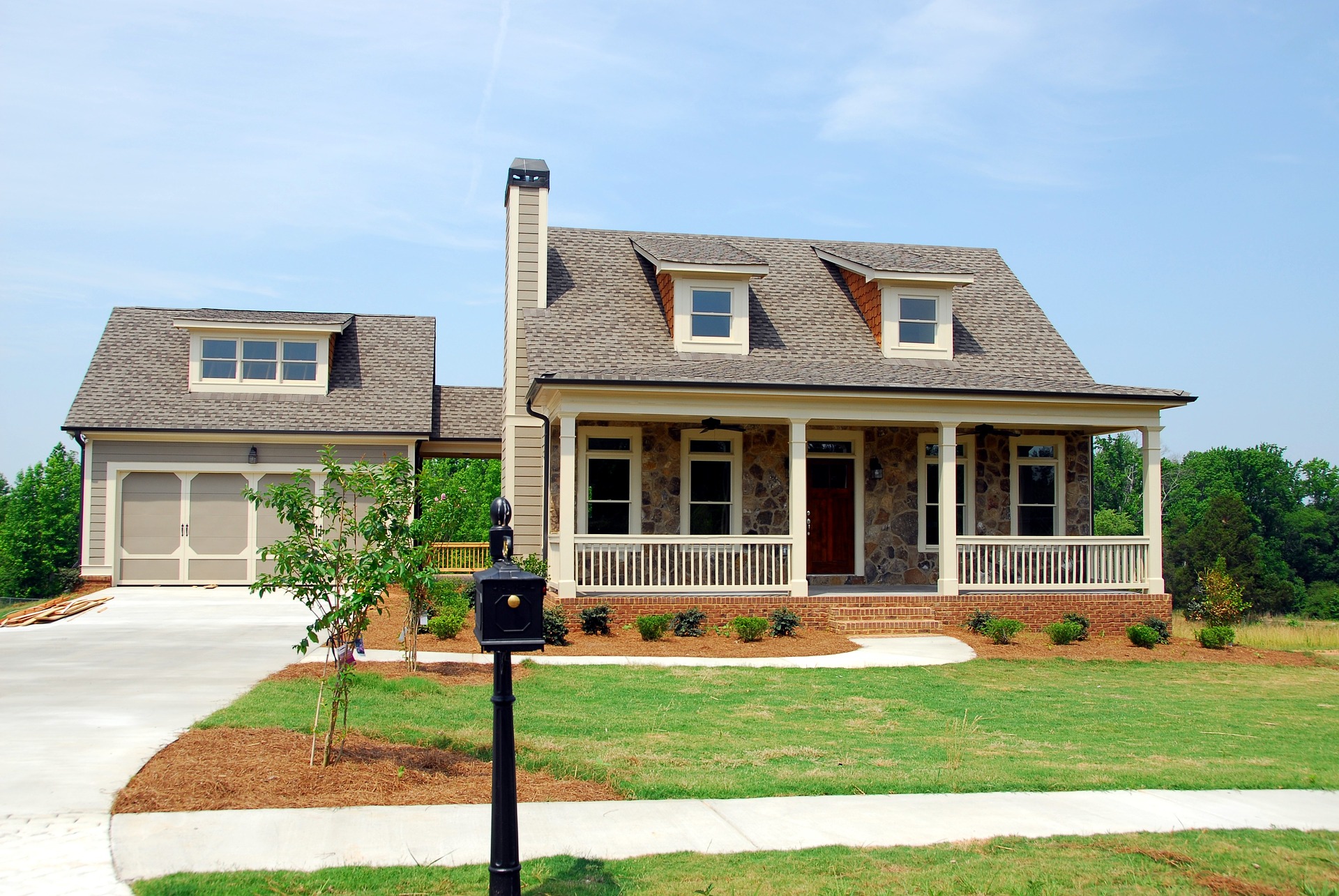

 The short answer is that mortgage rates are affected by two main factors. One of them is the current state of the economy, which you can check with a quick google search to get an idea about what’s going on in different sectors and industries. The other one includes interest rate changes made by the Federal Reserve (also called “Fed”), which is the part of the government that decides on what will happen with interest rates.

 Although many property buyers are looking for quick cash online, it can be not easy to find a reputable buyer who will pay fair prices. Many companies will try to take advantage of your need for speed, but it’s worth looking around to ensure you get the best deal and the highest price for your home. It may be that a cash buyer will start the process but then lower their offer before it’s finalized. Unfortunately, a stressed and indebted seller may be willing to accept this.
 Much like regular golf, another key to miniature golf is the grip. It is the hand you use to get the perfect grip. Extend your hands toward the putter and do a shake activity on the float handle. The next hand comes after the first, but putting it behind the grip. This type of grip is called the backhand grip. Another type of grip is the forehand grip combined with the backhand grip. Both are not used often, but it is essential to understand them because people may prefer one grip to the other depending on their body structure.
  With all of these skills exercised, you are now ready to get started. Black marking is often used to mark where the ball is placed. If it is a competition, each competitor should choose a different colored ball to avoid confusion during play. Everyone takes their first shot. If the ball does not go in the hole on the first shot, the person with the closest club can take a shot. Indoor miniature golf, the ball may rest against a wall. According to the principles, you are allowed to maneuver the club to find the perfect swing.