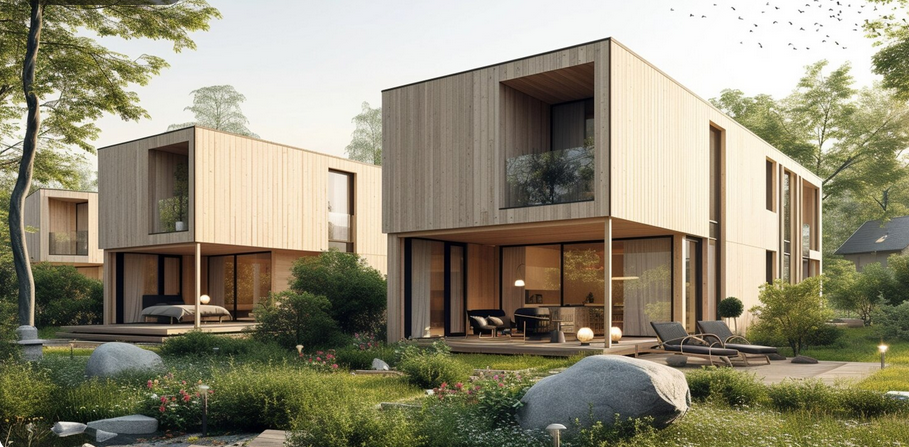
The Rise of Prefabricated Homes: Modern Solutions for Fast Housing
Prefabricated homes, often called prefab homes, are built using components manufactured off-site. These components are then transported and assembled at the construction site. This method contrasts with traditional building, where all materials and construction occur onsite. Prefab homes offer speed, efficiency, and cost control. Homeowners and developers can also learn more about energy efficiency in prefab construction by visiting immobilien.de/Energieeffizienz-im-Fertighausbau-Was-lohnt-sich–2760282.html. They present a unique solution to the growing demand for fast, reliable housing.
Speed of Construction
One of the most significant advantages of prefabricated homes is the speed of construction. While conventional homes can take months or even years, prefab homes can often be completed in weeks. Modules and panels are manufactured in controlled environments, ensuring that construction delays due to weather or labor shortages are minimized. Faster construction means quicker occupancy, reduced costs, and a more predictable project timeline.
Quality and Consistency
Prefabrication ensures consistent quality in ways that are difficult to achieve with traditional methods. Factory-controlled environments reduce the risk of errors, defects, or material damage. Each component is built to precise specifications, inspected thoroughly, and assembled systematically. This level of control guarantees uniformity, which is crucial for structural integrity and long-term durability.
Cost Efficiency

Prefabricated homes often provide better cost efficiency compared to traditional builds. Reduced labor requirements, less material waste, and faster project timelines all contribute to overall savings. Additionally, prefabrication allows for bulk purchasing of materials, further lowering costs. While some customizations may add expenses, prefab homes generally offer a practical, budget-friendly option for modern housing.
Design Flexibility
Contrary to the misconception that prefab homes are limited in design, modern solutions offer remarkable flexibility. Architects and manufacturers can customize layouts, finishes, and exterior appearances to suit individual preferences. From single-story cottages to multi-level urban dwellings, prefabrication accommodates a variety of styles. This ensures that homeowners do not have to compromise aesthetics for efficiency.
Sustainability and Environmental Benefits
Prefabricated homes are inherently more sustainable than traditional construction methods. Controlled manufacturing reduces waste, optimizes material use, and minimizes energy consumption. Many prefab homes also integrate eco-friendly materials, insulation, and energy-efficient systems. The combination of reduced waste, faster construction, and sustainable practices makes prefab housing a unique solution for environmentally conscious builders.
How to Overcome Common Challenges
Despite the advantages, prefab homes face challenges that require attention. Transportation of large modules can be complex, and site preparation must be carefully planned. Zoning regulations and local building codes may restrict certain prefab designs. Homeowners must also ensure that the selected manufacturer has a proven track record of quality and reliability. Addressing these challenges proactively guarantees a smoother construction process and a successful final product.
The rise of prefabricated homes is a response to global housing demands, urbanization, and the need for efficient construction. Technological advancements, such as 3D modeling, modular design, and robotic assembly, are pushing the boundaries of what prefab homes can achieve. Developers and architects continue to innovate, offering sustainable, high-quality, and affordable housing options. Prefab homes are no longer just an alternative. They are shaping the future of fast, modern housing solutions.…