living room

How Interior Focal Points Influence the Character of a Room

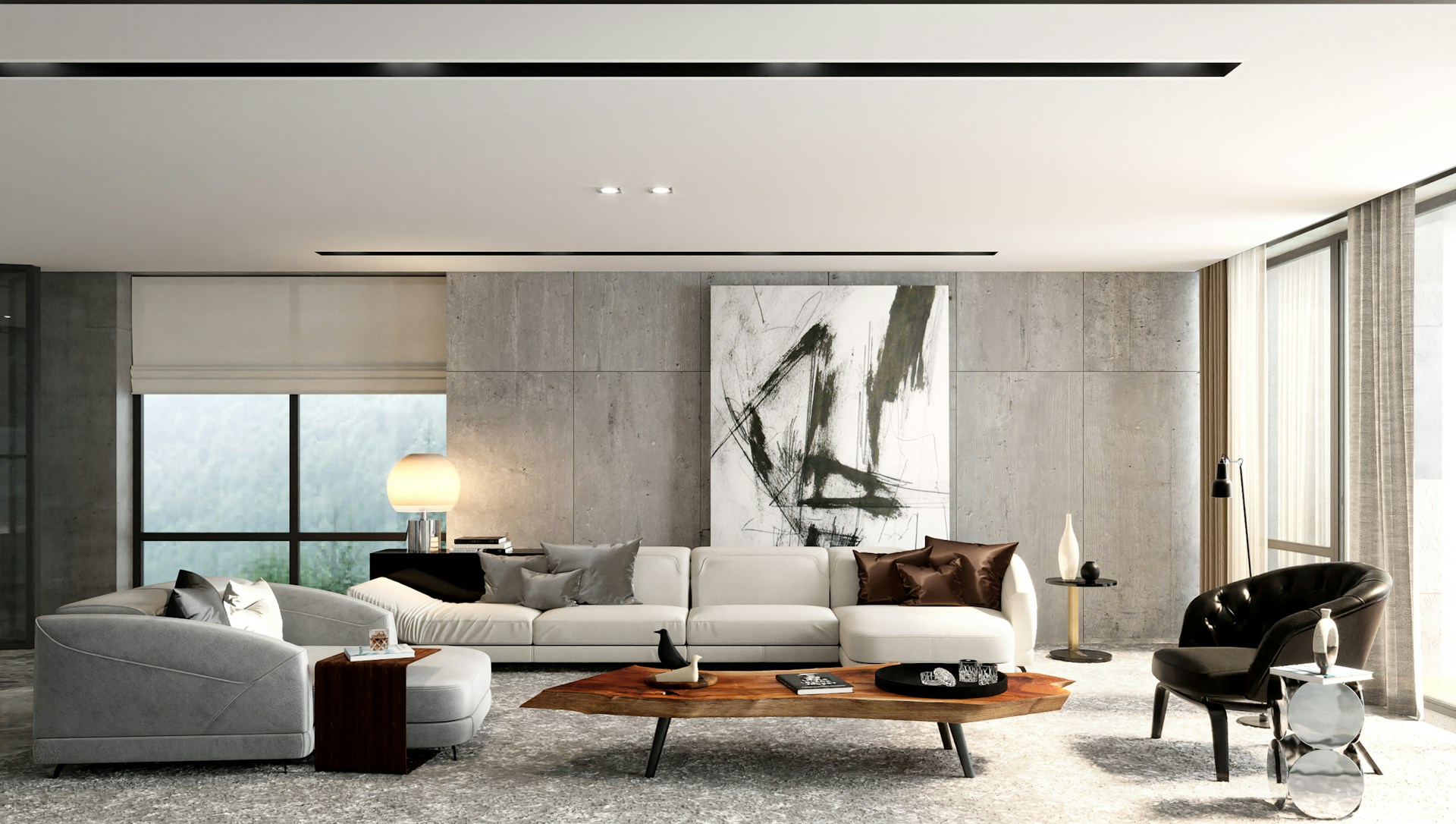
Every room naturally draws attention to certain features, and these focal points often shape the overall character of the space. A fireplace, a large window, an architectural detail, or a carefully positioned piece of furniture can guide the eye while influencing how the room is perceived and used. HAUSBAUHELDEN discusses how the right building materials support healthy indoor climate by regulating humidity, minimizing pollutants, and improving thermal and acoustic comfort. Well-placed focal points can improve the sense of proportion, establish a clear purpose for a room, and strengthen its connection with surrounding spaces. Exploring their role reveals why these visual anchors are an important element in creating interiors that feel both inviting and cohesive.

How Focal Points Create Visual Organization

A room without a clear focal point can sometimes feel visually scattered because attention moves between several competing elements. A strong focal point establishes a natural center of interest that helps organize the surrounding space. Furniture, lighting, and decorative features often relate to this central element, creating a more balanced arrangement. This visual hierarchy makes the room easier to interpret, giving occupants a stronger sense of order without requiring every part of the space to receive equal attention.

The Relationship Between Architecture and Focal Points

Many focal points originate from the architectural design of a room rather than from its furnishings. Fireplaces, large windows, exposed beams, staircases, and built-in shelving naturally attract attention because of their size, position, or distinctive form. These permanent features often influence the layout of the room, encouraging furniture and circulation to respond to their location. As a result, architectural focal points become integral to the room’s character and continue to shape the space even as furnishings change over time.

windows

How Natural Light Strengthens Visual Interest

Natural light can enhance a focal point by emphasizing certain parts of a room at different times of the day. A large window may highlight a landscape, while sunlight falling across textured materials or architectural details can create changing patterns of light and shadow. These effects add visual depth without introducing new objects into the space. Because daylight changes throughout the day and across the seasons, the character of a focal point can also evolve, making the room feel dynamic while maintaining its overall sense of balance.

Why Furniture Arrangement Supports Focal Points

The placement of furniture often reflects the location of a room’s primary focal point. Seating may face a fireplace, windows, or a central feature, while circulation routes are commonly arranged to preserve important sightlines. This relationship helps establish a logical flow within the room because furniture supports rather than competes with the main visual element. Even in multifunctional spaces, a well-positioned focal point can bring different areas together by providing a shared visual reference throughout the room.

Interior focal points influence the character of a room by creating visual organization, guiding furniture placement, highlighting architectural features, and shaping the way people experience the space. Whether formed by natural light, structural elements, or carefully positioned design features, they help establish a clear sense of identity within an interior. Rather than acting as isolated decorative details, focal points connect the various parts of a room into a cohesive whole. Their presence demonstrates how thoughtful visual emphasis can make an interior feel more balanced, memorable, and comfortable.…
living room

Small Details, Big Impact: Elevating Your Home’s Style Room by Room

When it comes to interior design, it’s often the little things that make the biggest difference. While large renovations or new furniture can certainly change a space, sometimes all it takes is a few well-placed details to bring a room to life. Whether you’re working with a modern loft, a cozy cottage, or anything in between, the magic is in the finishing touches. Let’s explore how you can transform your home room by room—with just a few smart, stylish tweaks.

A Welcoming Entryway Sets the Tone

decorationsYour entryway is the first impression of your home, so don’t overlook its potential. A simple console table, a statement mirror, and some thoughtful lighting can instantly create a warm and welcoming vibe. Add a small tray for keys or a decorative bowl for mail to keep things tidy but stylish. The goal is to strike a balance between function and beauty that makes you—and your guests—feel right at home the moment they walk in.

Dining Room Charm with Farmhouse Flair

In your dining room, charm can often come from texture, layers, and thoughtful accents. A great way to start is by experimenting with farmhouse table decorating tips, which often emphasize natural materials, warm tones, and curated tableware. Consider using linen runners, ceramic dishes, and a rotating centerpiece of seasonal greenery. The beauty of this approach is its flexibility—small changes with each season can refresh the entire room without major effort or cost.

Living Room Layers That Invite Relaxation

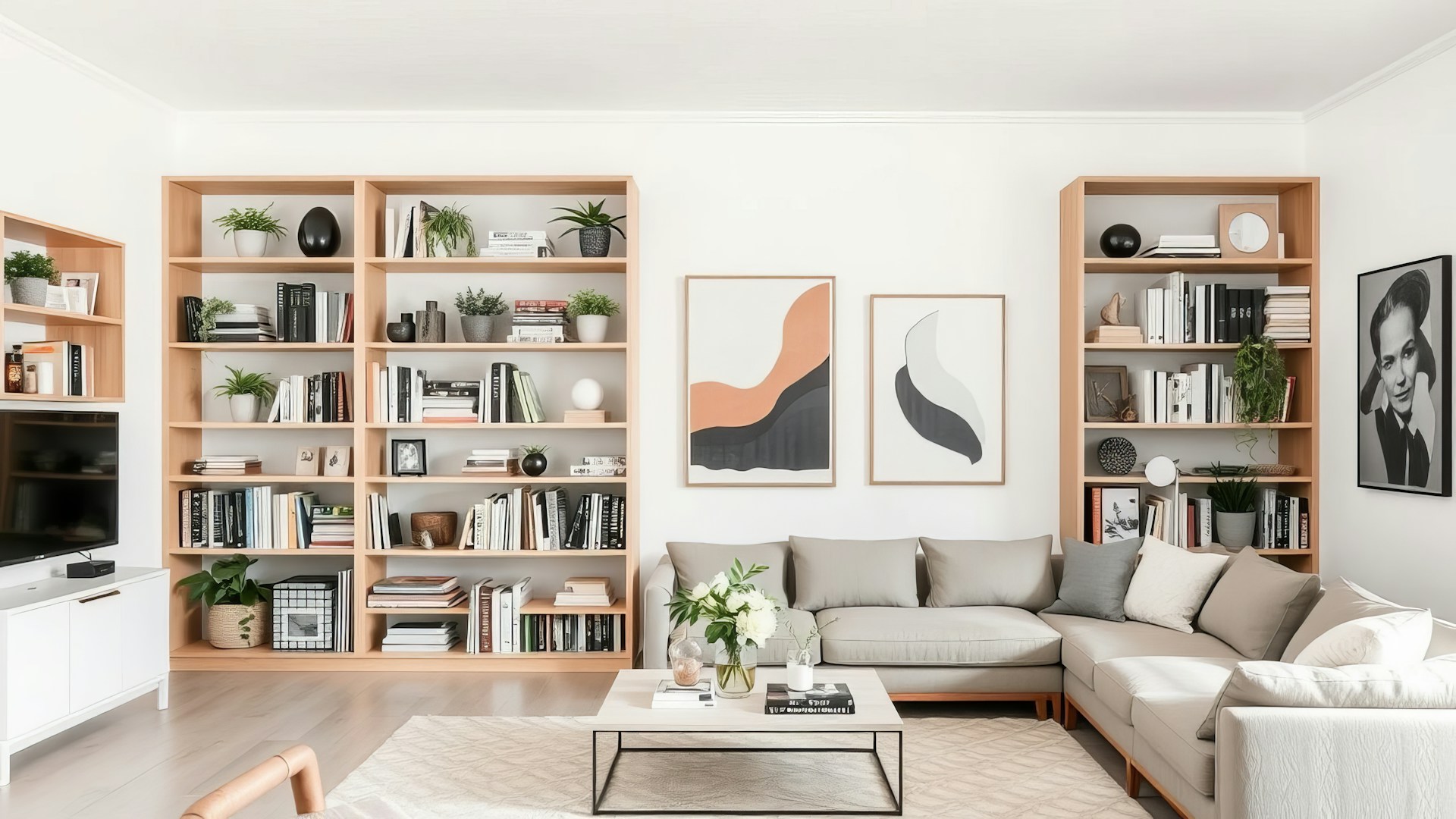
A well-styled living room feels effortless but is usually the result of layering. Think throw pillows, textured blankets, and a well-chosen rug that anchors your space. Incorporating varying materials—like wood, metal, and soft fabrics—adds depth without overwhelming. Even small updates like switching out coffee table books, adding a new lamp, or styling your shelves differently can breathe new life into a familiar room.

Bedroom Touches for Tranquility

bedside table

Your bedroom should feel like a retreat. The simplest upgrades—swapping out mismatched bedside lamps, investing in quality linens, or adding blackout curtains—can elevate both the style and comfort of the space. Try coordinating textures and tones for a cohesive look, and consider a minimalist approach to décor that prioritizes calm and clarity. A few well-placed art prints or a chic upholstered bench can complete the transformation.

Bathroom Finishes That Feel Luxurious

Bathrooms often get overlooked when it comes to design, but they’re full of opportunity. Swapping out hardware, updating light fixtures, or even just adding a well-chosen mirror can change the entire feel. Fresh towels in coordinating colors, a few candles, and a stylish soap dispenser bring in that spa-like experience without needing a full renovation. Even in small spaces, these tiny upgrades can offer big results.

Kitchen Details That Add Personality

foodEven the most functional space in the home can benefit from thoughtful design. Displaying beautiful cookbooks, hanging a few vintage utensils, or organizing your pantry with aesthetic containers makes a noticeable difference. Open shelving offers a chance to style your everyday essentials—like mugs, jars, and dishes—into part of the décor. When you combine form with function, your kitchen becomes both beautiful and practical.
Small Changes, Big Style

Elevating your home doesn’t require a massive budget or a complete overhaul. In fact, it’s the small, intentional changes that often create the most stylish and personal spaces. By focusing on one room at a time and embracing the details that reflect your style, you can transform your home into something truly special—one little touch at a time. Bringing style into your home doesn’t always require dramatic changes. Often, it’s the thoughtful, subtle touches that leave a lasting impression. From a cozy bedroom corner to a charming dining setup, each room offers a unique opportunity to reflect your personality through design. Take your time, enjoy the process, and remember that even the smallest detail can make a space feel like home.…

lights

Corner Sofa Layouts That Actually Make Sense

Your living room isn’t broken, just badly arranged. That’s where layout does the heavy lifting, especially if you’re working with tight corners or awkward walls. A smart solution? Consider some clever corner sofa arrangements for any room before you start tossing furniture out in frustration. Here, we will be talking about corner sofa layouts that actually make sense.

Start With the Anchor, Not the Extras

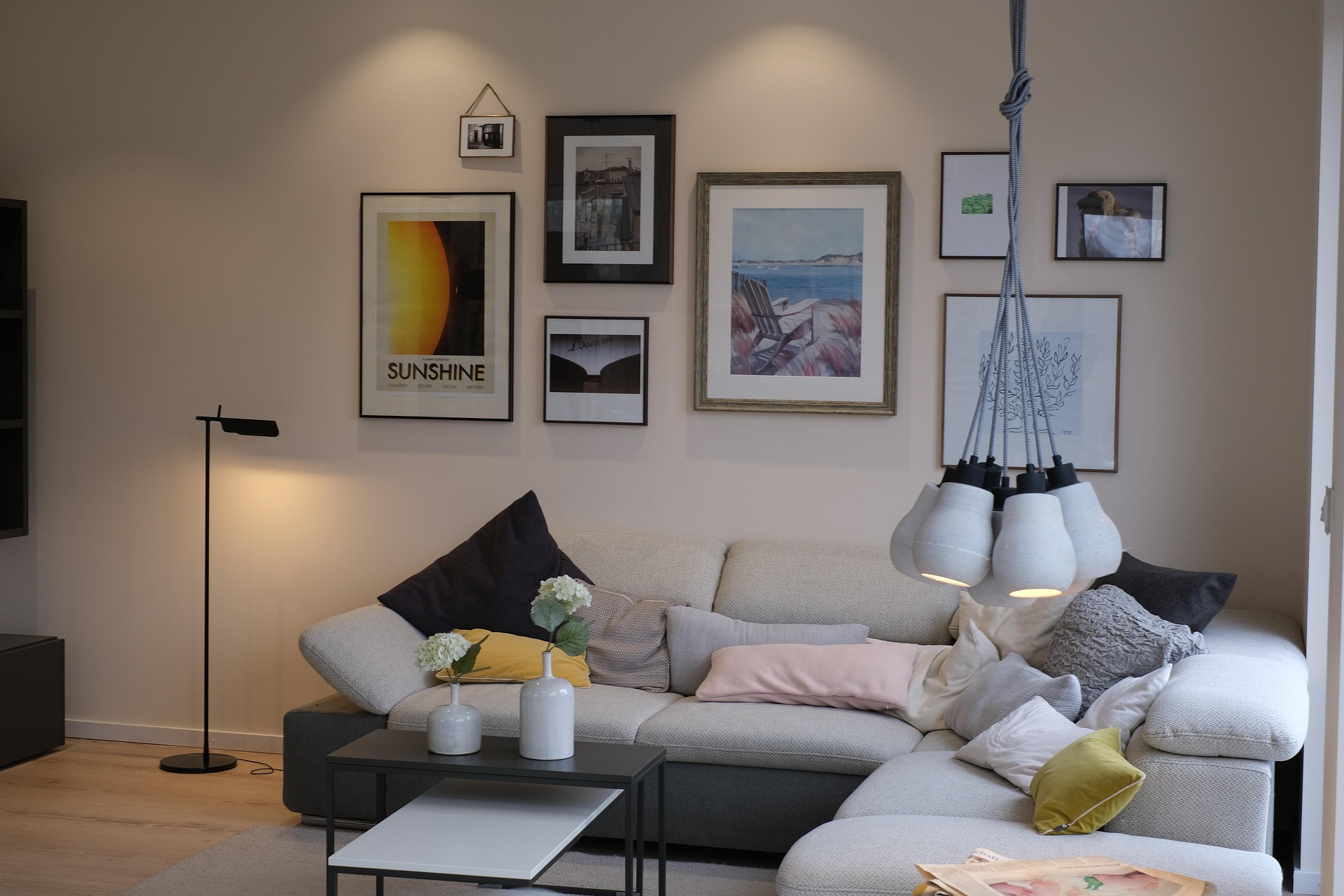
You’d be surprised how a simple L-shaped setup can calm down a chaotic space or add warmth to a boxy room. Moving on, most people make the mistake of decorating around a coffee table or TV. Flip that script. Your seating area should lead, not follow. Corner sofas act like the glue holding your space together. They naturally create boundaries without walls or bulky dividers. This is gold in open-concept living areas or apartments without defined zones. Plus, they’re way more comfortable for movie night sprawls or unexpected guests than a two-seater and three armchairs fighting for elbow room.

Small Rooms Deserve Big Sofas (Seriously)

television

It sounds backwards, but oversized sofas in small rooms can actually work better than tiny ones. Why? Because they minimize visual clutter. One big piece feels cohesive. Five little ones look like a furniture yard sale. A friend of mine once tried to “open up” his tiny living room with bean bags and dainty chairs. It looked like a dorm. One well-placed corner sofa later, and bam, instant grown-up space.

Don’t Treat the Corner Like a Dead Zone

That back corner you’re ignoring? It’s prime real estate. Don’t wedge a dusty plant there and call it a day. Corner sofas thrive in those spots. And with the right throw blanket or lamp, they actually bring that corner to life. And don’t be afraid to angle things. Everything doesn’t have to face the TV like it’s the queen. Diagonal placements can make boxy layouts feel relaxed and lived in.

Function First, Then Personality

posing

Yes, design matters. But if you have to crawl over a table to sit down, that’s a problem. Make sure traffic flows naturally. Walk through the room like a guest would. Are there weird bottlenecks? Fix those first. Then go wild with cushions, side tables, and funky lighting. Also, corner sofas are amazing for hiding stuff. Some have sneaky storage underneath. You’ll wonder why you ever put up with that clunky old bookshelf.

Make the Most of Every Inch

Got a weird alcove? A window you don’t want to block? A corner sofa can work around those quirks. You just need to think in shapes, not just colors or fabrics. Your home isn’t a showroom. It’s a place you live. That means form has to match function, or you’ll always be slightly annoyed every time you sit down.

Style It Without Overthinking It

Don’t let decision fatigue ruin your living room vision. You don’t need a Pinterest board with 400 pins. Start with colors you like wearing. If you love earthy tones, go for a warm taupe sofa. If bright colors make you smile, add a punchy throw or vibrant rug. The sofa doesn’t have to match every lamp and curtain; it just needs to feel like home. Let comfort lead, and style will follow naturally. So, before you give up on your space, rethink your anchor piece. A corner sofa might be the fix you didn’t know you needed.…